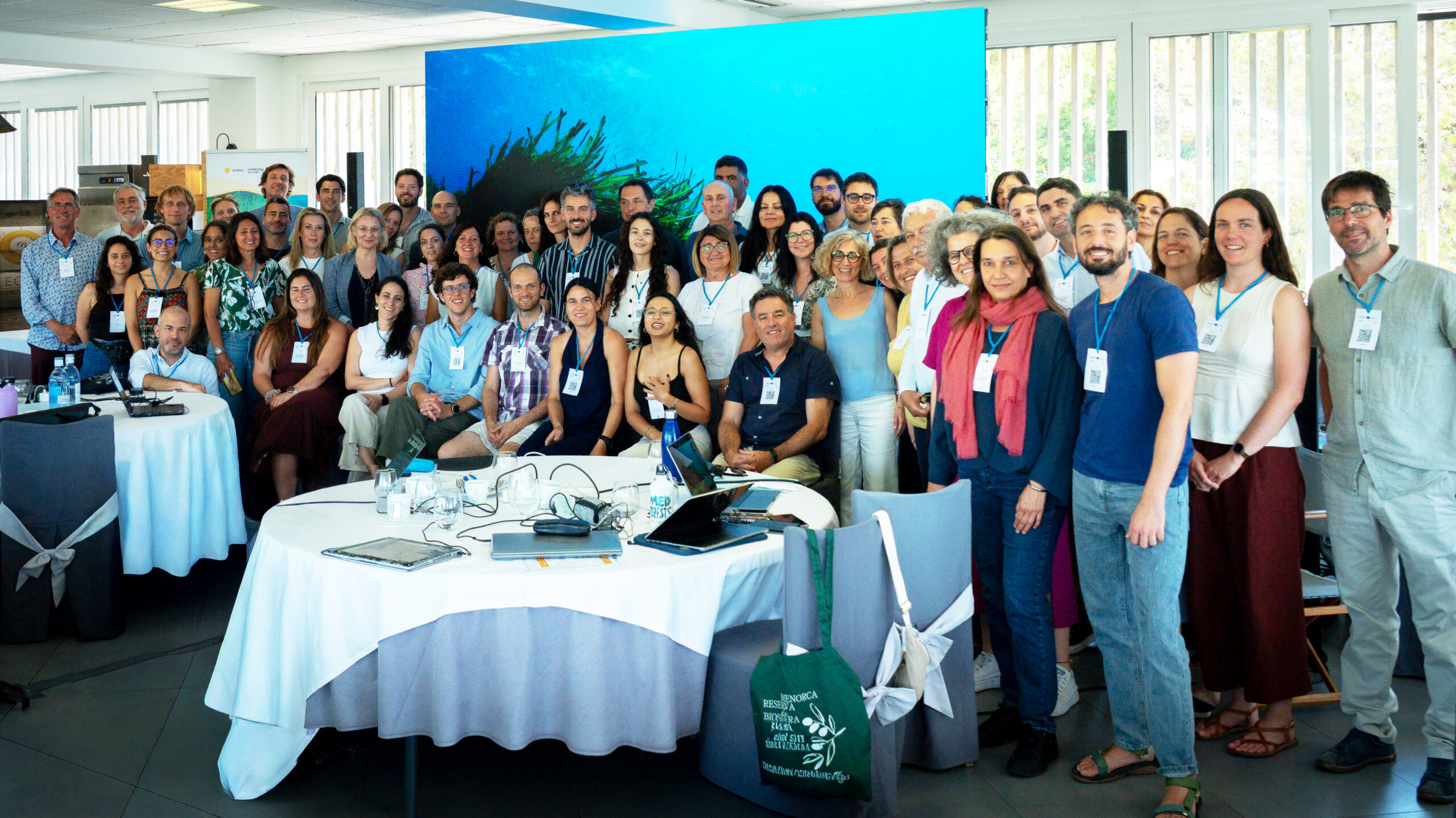
The second day brought the project’s results into full view. Experts from across the Mediterranean gathered to present findings, challenge assumptions, and map the road from small-scale restoration in our pilots in Crete, Menorca, Sardinia and Monfalcone to frameworks capable of operating at Mediterranean scale. The day unfolded across four sessions, each one building on the last.
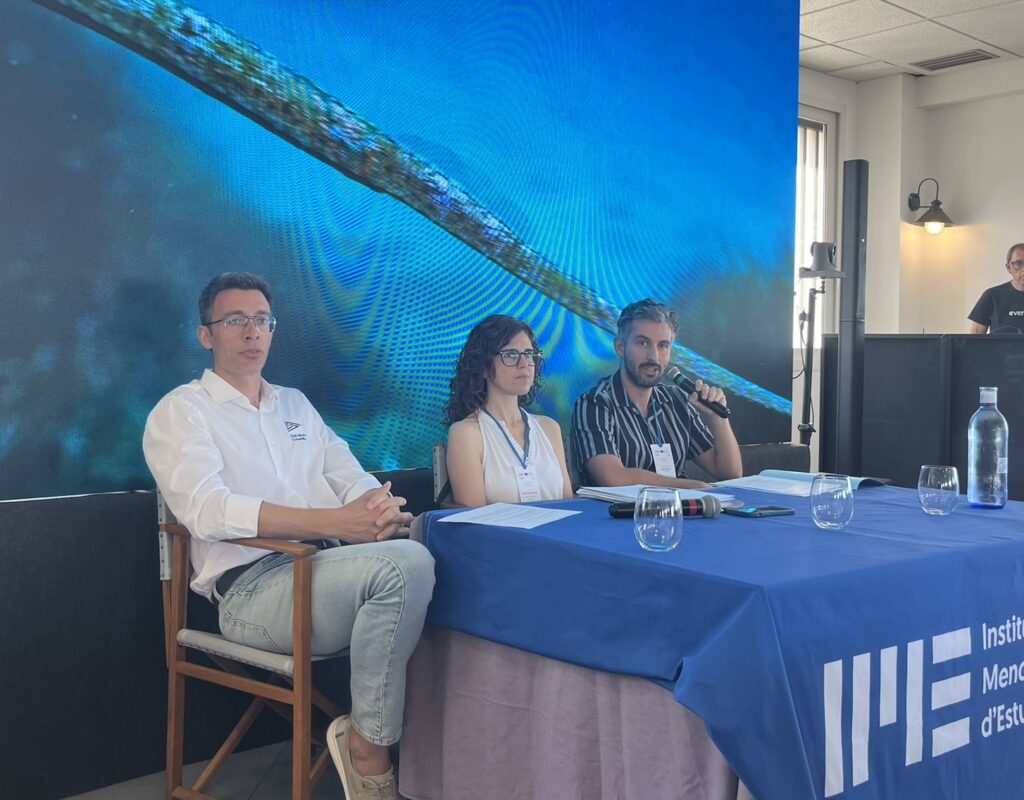
Session 1: Seagrass ecosystem-based restoration
The opening session brought the science to the surface. One of the clearest messages to emerge was that restoration begins long before a single cutting is transplanted: it begins with defining a credible starting point.
As presented by our pilot site manages : HCMR, MEDSEA Foundation, IME-OBSAM and the Municipality of Monfalcone in co-coordination with SELC and eFrame, restoration experiences from the four ARTEMIS pilot sites laid bare what years of fieldwork had taught the project: what worked, what needed adjusting, and what the science tells us about seagrass recovery in very different ecological and social contexts. Presented findings from one of the Mediterranean’s oldest restoration sites offered a sobering but instructive picture: after ten years, transplanted areas showed shoot densities comparable to natural meadows, but growth rates and leaf size remained slightly different — a reminder that ecological recovery is measured in decades, not seasons. Only 13% of transplanted areas have maintained good condition over time, underlining how much planning, site selection, and pressure reduction matter before active restoration even begins.
Session 2: Engaging stakeholders and seagrass valuation
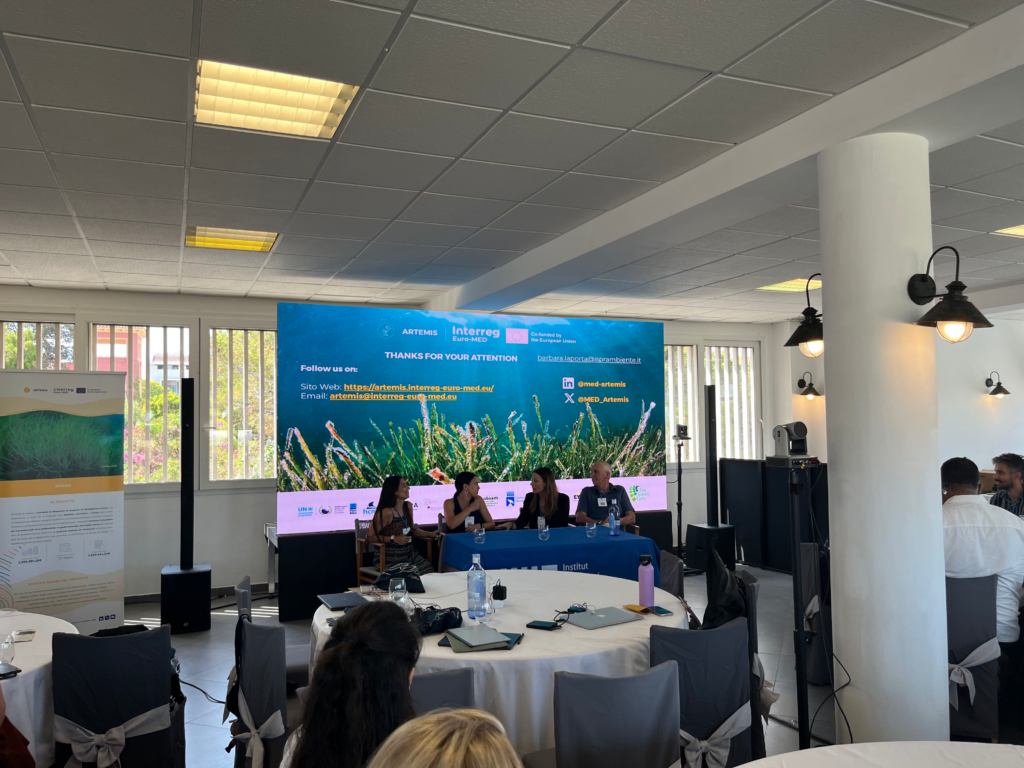
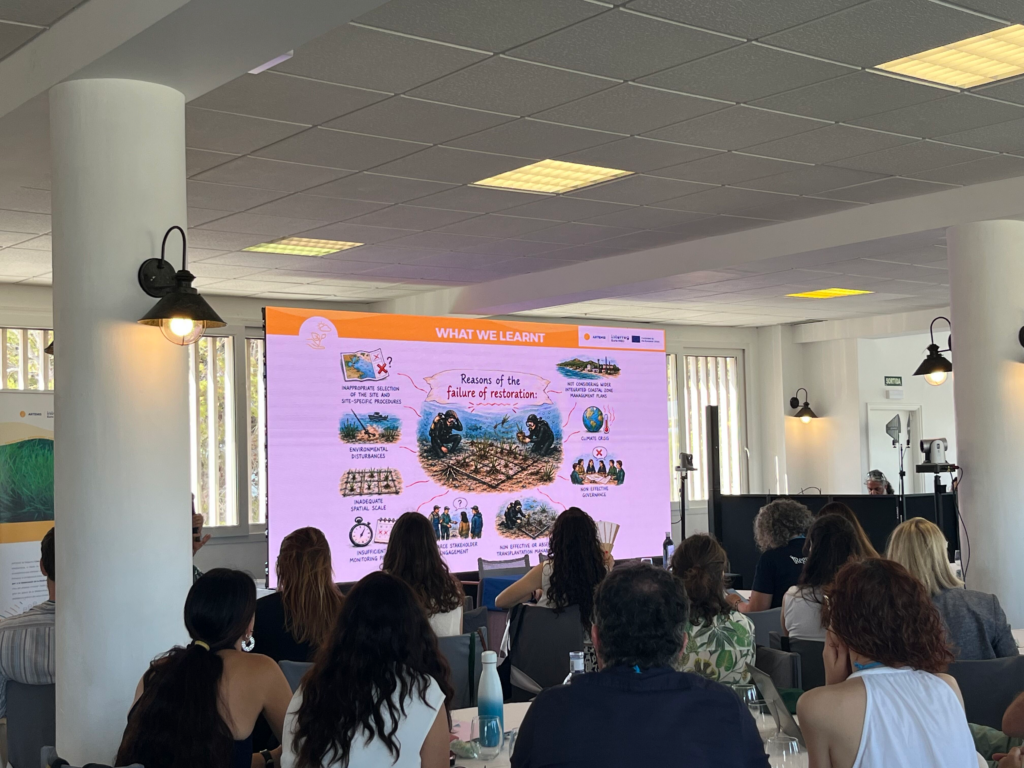
How do you put a value on a meadow? In this session, our project partners: The Green Tank Ecoacsa and Bax tackled one of the most persistent challenges in conservation: translating ecological reality into terms that decision-makers and investors can act on. A systematic approach to stakeholder mapping — developed consistently across ARTEMIS pilot sites — revealed that while awareness of Posidonia’s ecological importance is now widespread, knowledge of policy frameworks and financing mechanisms such as Payment for Ecosystem Services remains low. The conclusion was clear: awareness is no longer the bottleneck. Governance and implementation are.
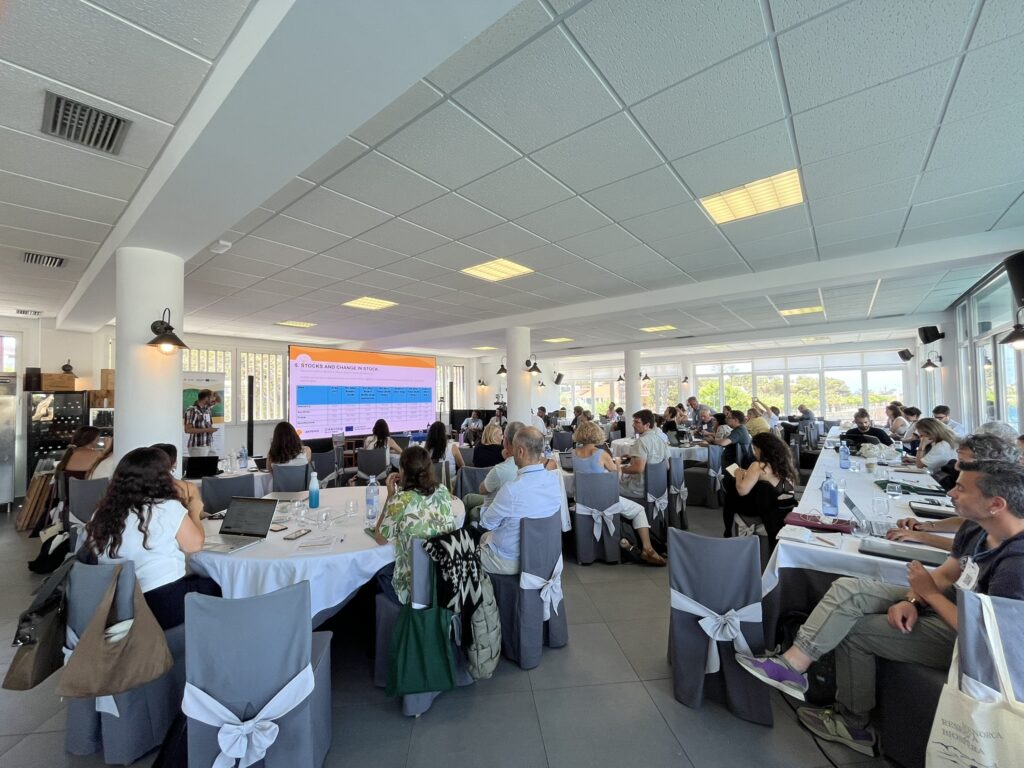
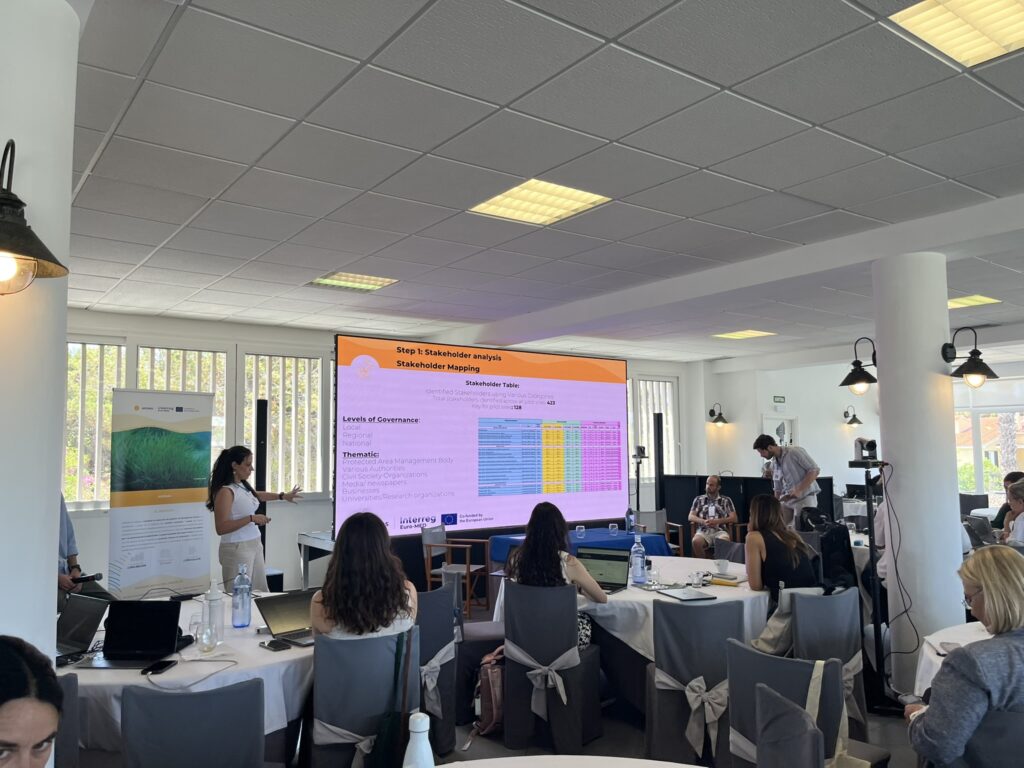
Session 2 – ARTEMIS Final conference June 2026 Menorca
Ecosystem service valuation, natural capital accounting, and the role of communities in making restoration stick were all on the table. Stakeholder engagement, is not merely a communication activity, it is a restoration tool in itself, connecting science, valuation and governance into a coherent whole.
Session 3: Establishing a seagrass credit system
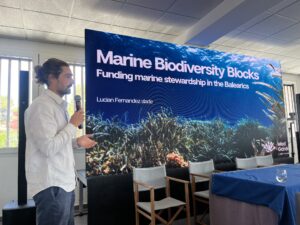
One of the conference’s most forward-looking conversations — and one of ARTEMIS’s landmark outputs. The session was anchored by the presentation of the Seagrass Credits Cookbook curated by Ecoacsa in collaboration with all of our project partners: a practical framework designed to support the creation of nature credit systems linked to the restoration and conservation of Mediterranean seagrass meadows.
Introduced by Ece Ozdemiroglu from EFTEC, the session set the scene by exploring what nature markets actually require: coherent data and indicators, metrics that can be compared to financial ones, and frameworks that provide the principles, requirements and guidance needed for credible credit systems. Moving from a Payment for Ecosystem Services scheme to a transferable nature credit is not a small step. It demands robustness on additionality, permanence and leakage, alongside clear governance, equity and benefit-sharing arrangements.
-
- Session 3 – ARTEMIS Final conference June 2026 Menorca
-
- Session 3 – ARTEMIS Final conference June 2026 Menorca
-
- Session 3 – ARTEMIS Final conference June 2026 Menorca
The Seagrass Credits Cookbook addresses all of this. Combining ecosystem extent and condition assessments with internationally recognised natural capital accounting principles, it provides a structured methodology to quantify ecological outcomes and translate them into investable mechanisms. Catherin Piante from WWF France also presented the evolution of biodiversity credits in practice — from France’s national SNCRRR scheme to the WWF Living Credits initiative, which returns 70% of revenues to farmers — offering tangible reference points for what high-integrity credit systems can look like in the field. The message from the session was clear: this is not a theoretical exercise, the Cookbook is a replicable, actionable blueprint, and one of the most concrete innovations ARTEMIS leaves behind.
Session 4: Policy and governance for seagrass restoration
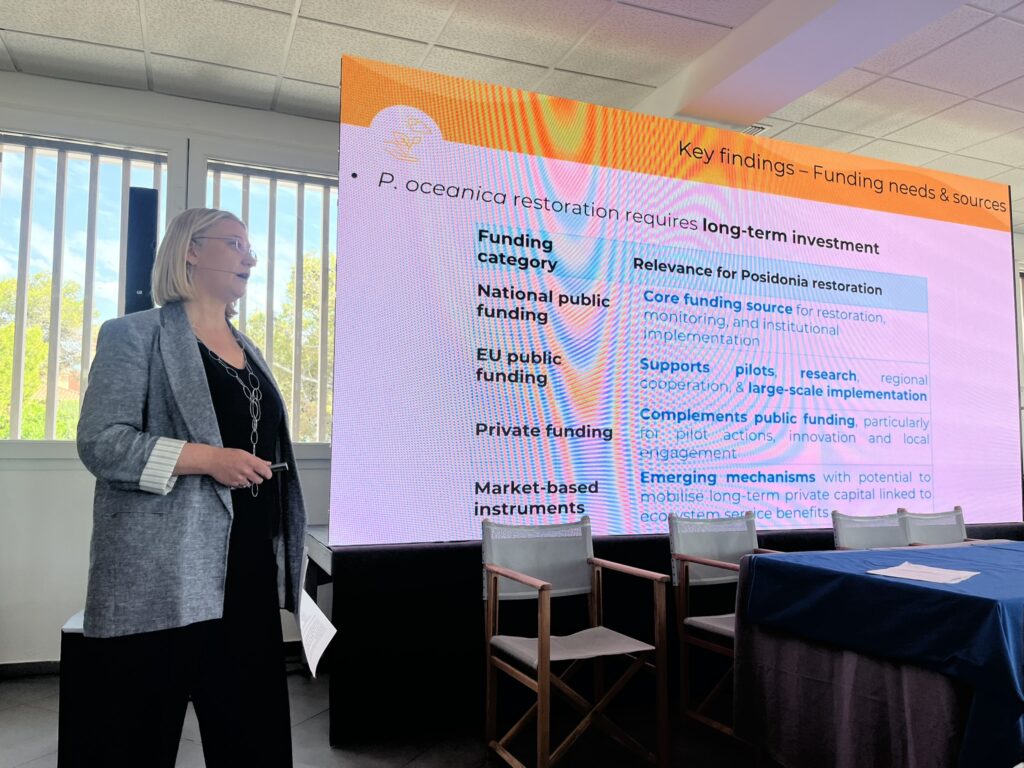
The day’s final session brought the political and regulatory dimension into focus. ARTEMIS has produced policy guidance explicitly designed to support EU member states in shaping their upcoming Nature Restoration Plan country plans.
Session 4 – ARTEMIS Final conference June 2026 Menorca
The context was set by a presentation from Spain’s NRP process: with 94% of marine habitat condition currently unknown, the main challenge is not ambition but baseline. Spain’s NRP draft process – with first drafts expected by September 2026 and final plans by September 2027- illustrated both the urgency and the gaps that projects like ARTEMIS are positioned to fill. Across the Mediterranean, the pattern repeats: insufficient official information, limited cartographic coverage, and restoration strategies not yet fully integrated into governance planning. ARTEMIS has helped address that gap by producing tools, guidance and governance frameworks ready to be embedded into national plans. Because science alone doesn’t scale without the institutional architecture to carry it and ARTEMIS built that architecture too.
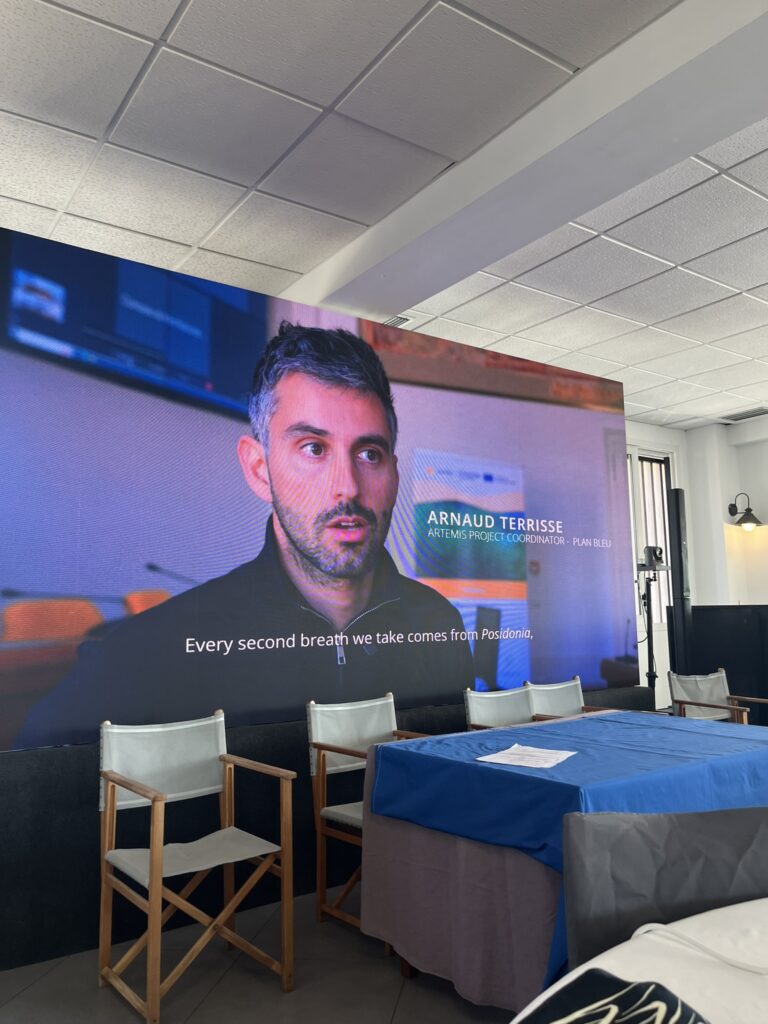
Rather closing with a presentation, we concluded with a film. The ARTEMIS documentary showcased for the first time, brought together interviews from each project partner alongside footage from the four pilot sites [Crete, Menorca, Sardinia and Monfalcone] weaving 2,5years of fieldwork, science and collaboration into a single, cohesive narrative. Watching the meadows flicker on screen after a transplantation or a monitoring activity, frameworks and policy debate was a grounding reminder of what all of it is ultimately for: the living seagrass beneath the surface of the Mediterranean, and the communities whose futures are bound up with its recovery.
Watch the documentary below