Seagrass Credit System Cookbook
Curated by ecoacsa, with contributions from ARTEMIS partners
WHAT IS INSIDE
A practical methodology for financing Mediterranean seagrass restoration
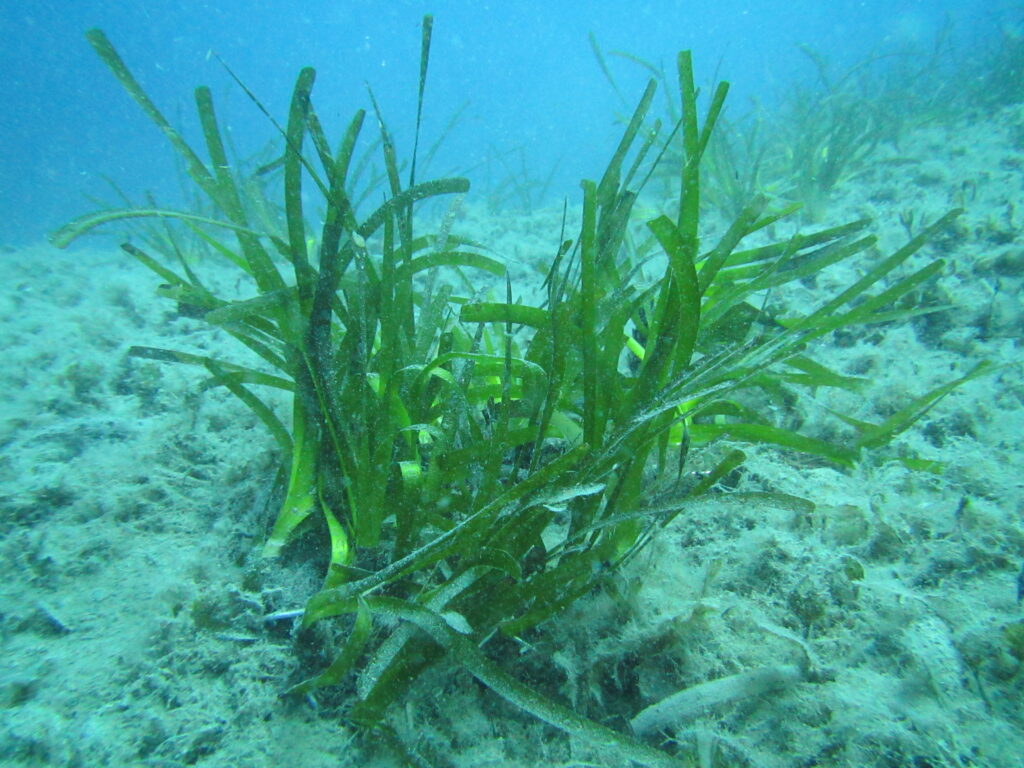
Healthy Posidonia oceanica and Cymodocea nodosa meadows are among the Mediterranean’s most valuable ecosystems, supporting biodiversity, storing blue carbon, protecting coastlines, and sustaining local economies. Yet restoring these habitats requires long-term, sustainable financing.
Developed within the ARTEMIS Project, the Seagrass Credit System Cookbook provides the first comprehensive methodology for designing and implementing a scientifically robust credit system that can mobilise private and blended finance for seagrass restoration.
Rather than rewarding restoration activities alone, the methodology links investments to measurable and verified ecological outcomes, ensuring transparency, credibility, and long-term environmental benefits.
What you’ll discover
The Cookbook offers a step-by-step framework to support the development of high-integrity Seagrass Credits, including:
- A standardised framework for generating Seagrass Credits across the Mediterranean.
- Eligibility criteria and governance principles for restoration projects.
- A complete methodology for measuring ecological improvements.
- A 12-step process to quantify, verify, and issue Seagrass Credits.
- Guidance on monitoring, reporting and verification (MRV).
- Technical protocols for assessing seagrass ecosystem condition.
Designed to be adaptable across different regulatory contexts, the methodology can be used alongside existing and emerging international nature credit standards
Part I – Methodology for Co-creating a Seagrass Credit System
- Establishes the scientific and methodological framework for developing Seagrass Credits.
- Covers project design, ecological assessment, monitoring, verification, and credit generation.
Part II – Enabling the Seagrass Credit System
- Explores the legal, governance, financial, commercial, and business planning conditions needed to implement the system in practice.
Together, these two volumes provide both the ecological methodology and the operational guidance needed to support the development of credible financing mechanisms for Mediterranean seagrass restoration.