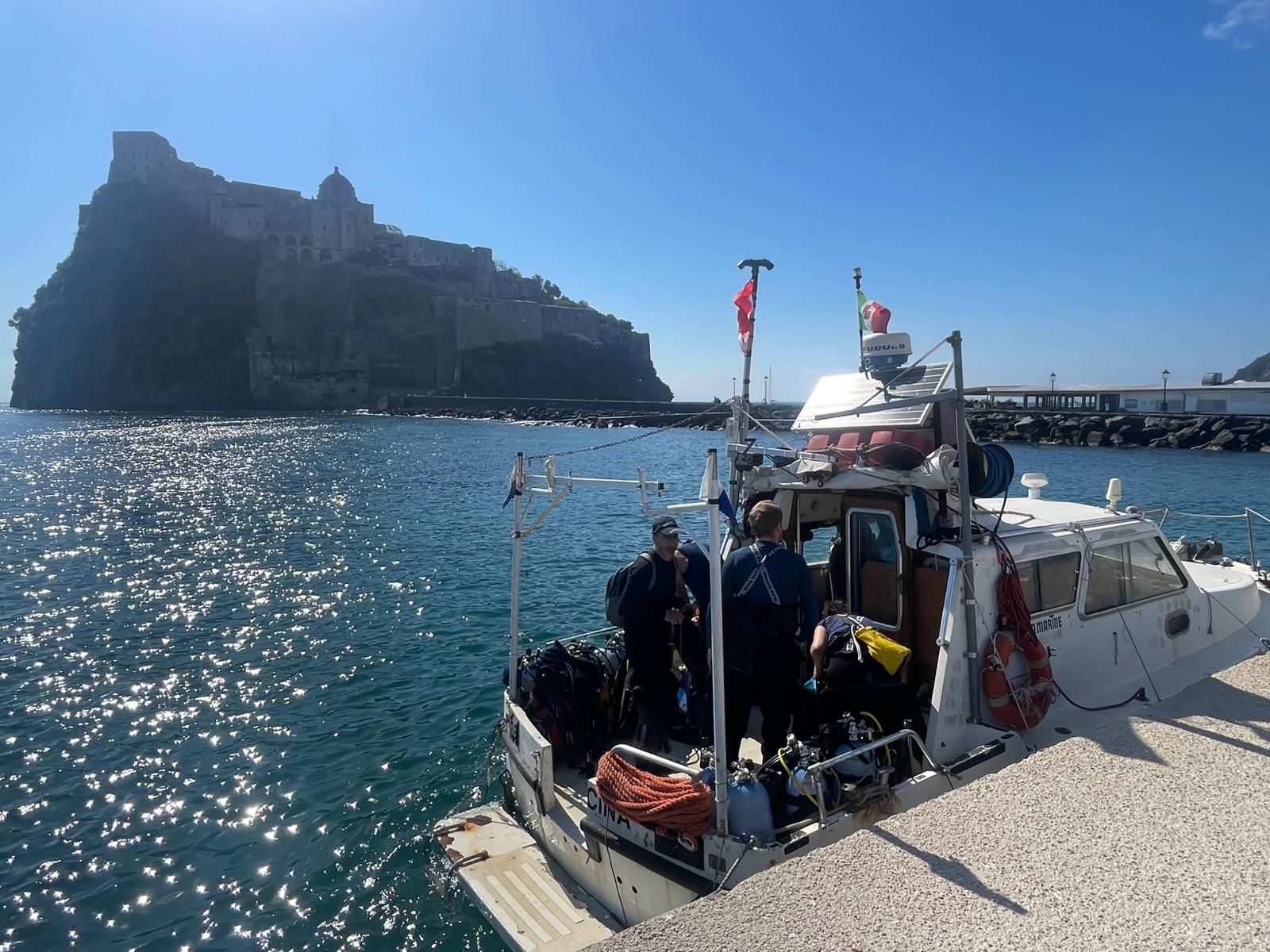

Can Posidonia oceanica restoration deliver lasting ecological benefits? One of the Mediterranean’s longest-running restoration sites suggests that it can.
From 18 to 22 May 2026, researchers from ISPRA carried out a new monitoring campaign within the Interreg Euro-MED ARTEMIS project at the Posidonia oceanica meadow transplanted in 2009 in the waters of the Regno di Nettuno Marine Protected Area, off the island of Ischia. Seventeen years after the original restoration, the site continues to provide invaluable evidence on how Mediterranean seagrass meadows recover over time.
A rare long-term case study
Long-term monitoring remains one of the greatest knowledge gaps in Mediterranean seagrass restoration. While many restoration projects are evaluated only during the first few years after transplantation, the Ischia meadow offers a unique opportunity to understand what happens over nearly two decades.
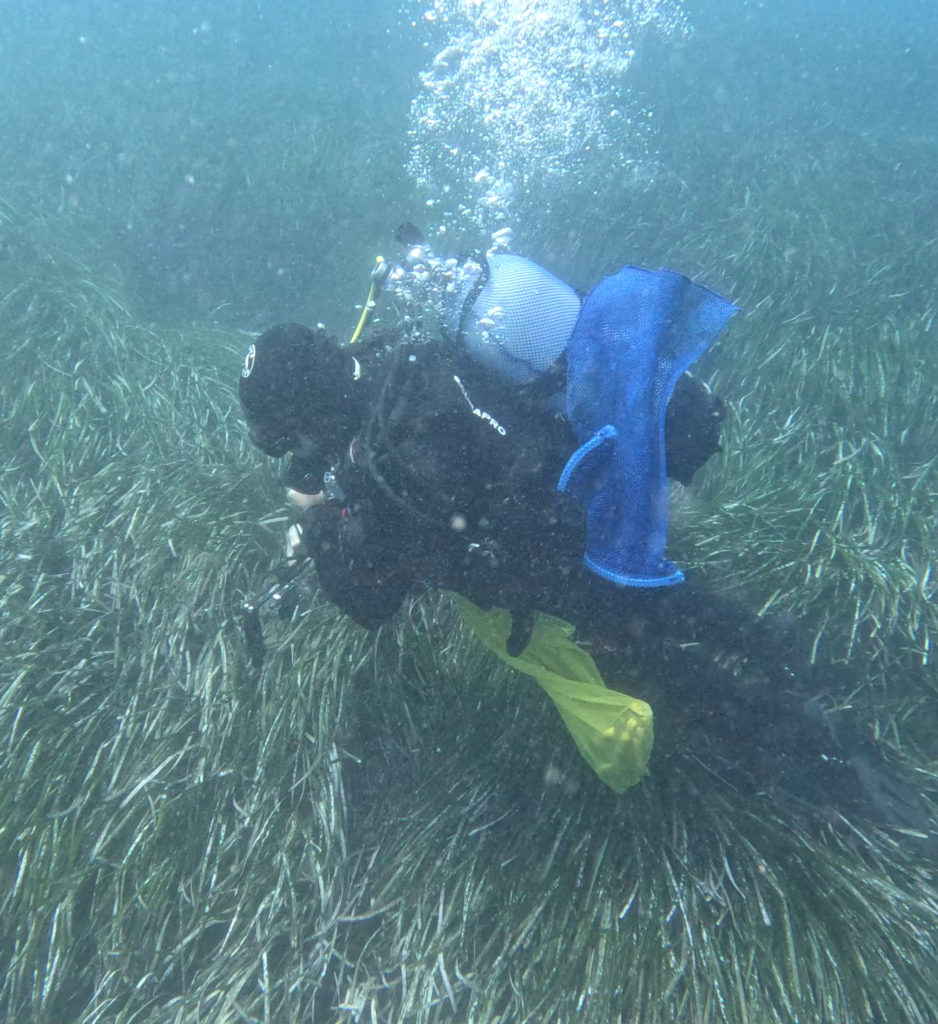
17 Years Later: Ischia Posidonia Restoration Shows Long-Term Success | Photo by ISPRA
During the latest field campaign, the research team collected new ecological data across different restored areas that have experienced varying levels of success. By comparing these transplanted plots with nearby natural Posidonia meadows, scientists are gaining a better understanding of the ecological processes that drive long-term recovery.
Beyond plant survival
The monitoring focused not only on the structural and functional characteristics of the seagrass itself, but also on the biodiversity associated with the meadow.
“The results are encouraging,” said Tiziano Bacci, marine biologist and researcher at ISPRA. “Seventeen years after transplantation, the restored meadow is showing clear signs of ecological recovery. In the areas where the transplanted shoots successfully established, many ecological indicators are now comparable to those of nearby natural Posidonia oceanica meadows. While some differences remain and are still being investigated, these findings demonstrate that long-term restoration can successfully recover the structure, functions and ecosystem services of healthy seagrass meadows.”
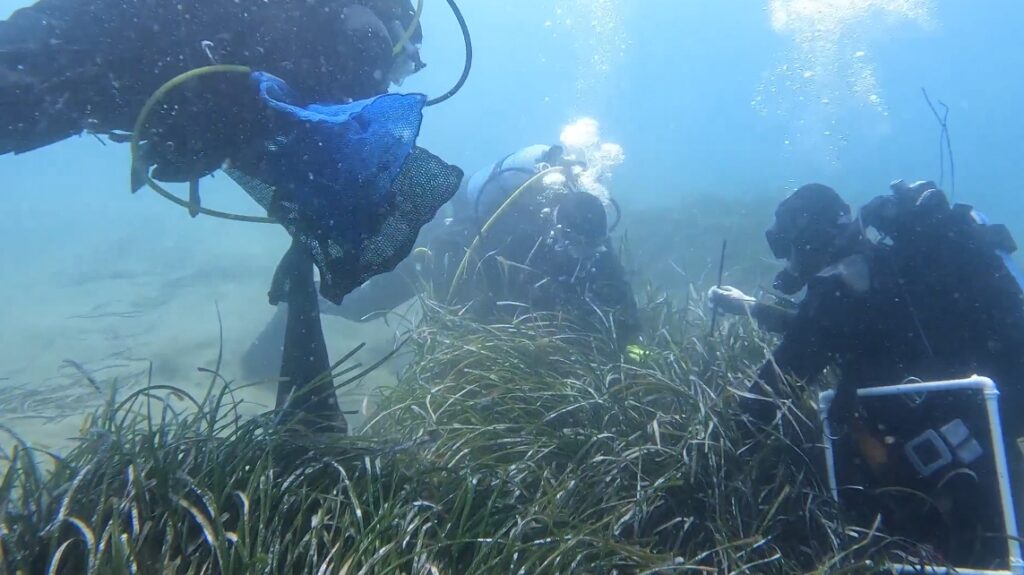
Ischia Posidonia Restoration – ARTEMIS monitoring in May 2026 | Photo by Ispra
This means that, given enough time and suitable environmental conditions, restored seagrass meadows can once again provide many of the ecosystem services for which Posidonia oceanica is renowned, including habitat for marine biodiversity, coastal protection, carbon storage and improved ecosystem resilience.
Building better restoration strategies
“The Ischia case demonstrates why long-term monitoring is essential,” explained Barbara La Porta, Senior Researcher at ISPRA. “Long-term data on seagrass restoration remain scarce across the Mediterranean, yet they are crucial for improving restoration techniques, refining monitoring protocols and guiding future restoration actions. Understanding how restored meadows evolve over time is key to making restoration more effective and ensuring lasting ecological benefits.”
Within ARTEMIS, these findings contribute to a growing body of scientific evidence supporting the transition from isolated pilot projects to large-scale, evidence-based restoration efforts across the Mediterranean. As countries prepare to implement the EU Nature Restoration Regulation (see the ARTEMIS Policy recommendations), long-term case studies such as Ischia provide practical knowledge to guide future restoration investments and maximise ecological outcomes.
After seventeen years, the Ischia meadow reminds us that restoring Posidonia oceanica is a long-term commitment—but one capable of delivering tangible ecological benefits when restoration is carefully planned, monitored and allowed the time needed for nature to recover.
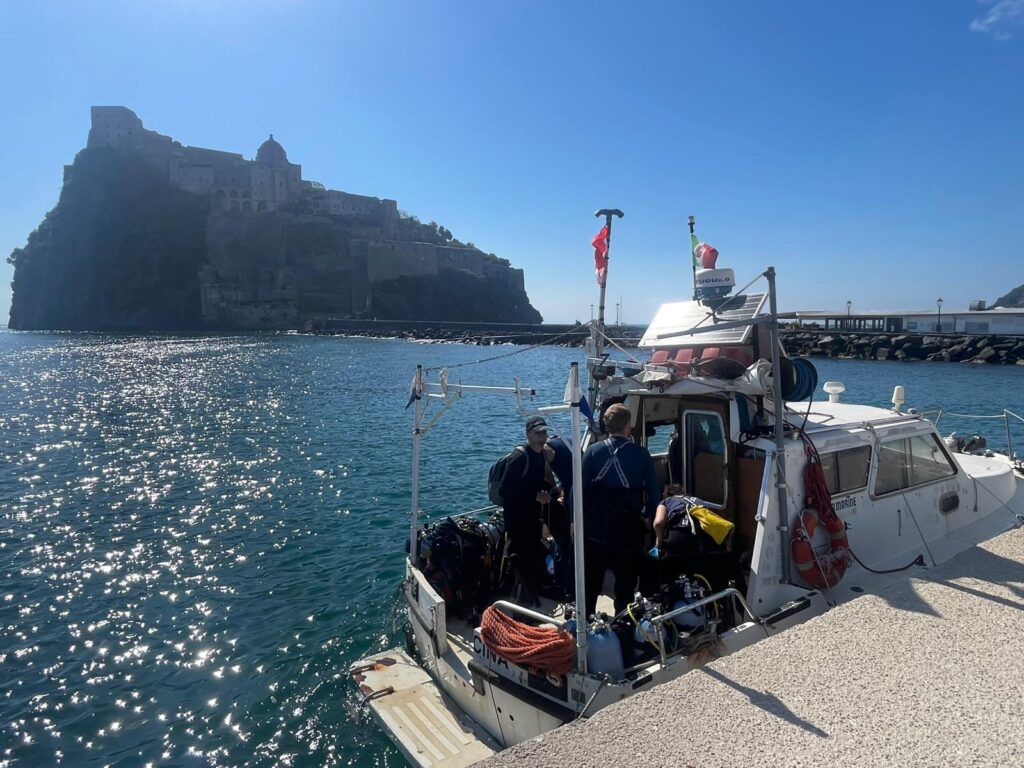
The ISPRA team in Ischia during the May 2026 monitoring campaign of the Posidonia oceanica restoration site. | Photos: ISPRA
Watch the ARTEMIS Documentary: