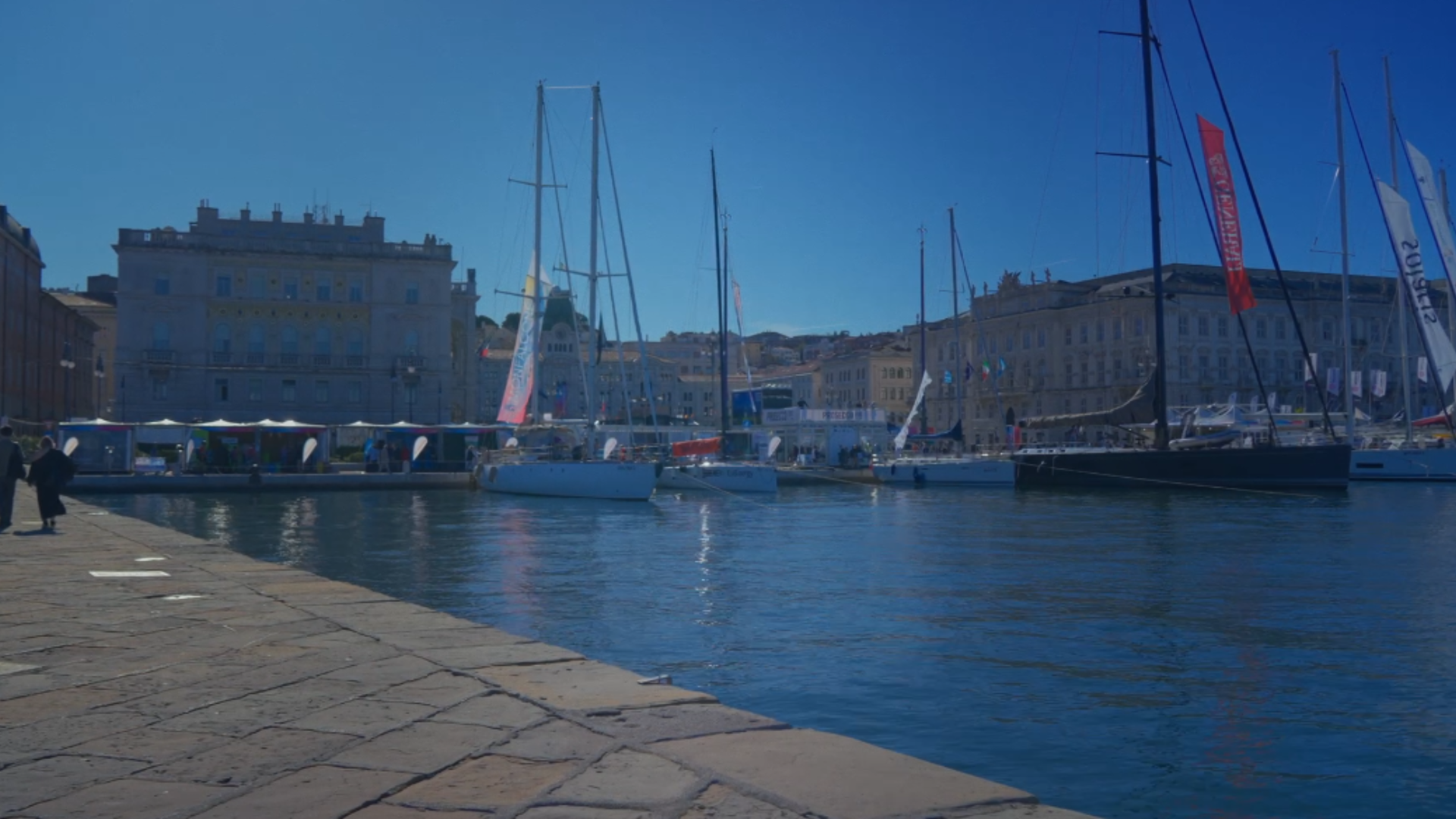

The municipality of Monfalcone (Italy) is one of the four pilot sites that hosted the activities of the ARTEMIS project. Together with Menorca (Spain), Sardinia (Italy) and Crete (Greece), for almost three years it served as a laboratory where seagrasses were the focus of scientific monitoring aimed at ensuring the sustainable and long-lasting restoration of the seagrass beds. We spoke about this with Beatrice Salzani, an official at the Monfalcone Local Development Office which is the project partner of ARTEMIS.
Within this framework, the Municipality of Monfalcone — supported by SELC for the scientific components and eFrame for the economic ones — drove the development of activities at the Panzano Bay pilot site, ensuring coordination between scientific and management aspects and fostering the active involvement of local stakeholders. Work centred on building an up-to-date knowledge base of seagrass meadows and their associated ecosystem services, with particular attention to Cymodocea nodosa, the dominant species along the northern Adriatic coast. Through the project, data from previous monitoring and mapping campaigns were consolidated, laying the groundwork for a shared ecological reference framework.
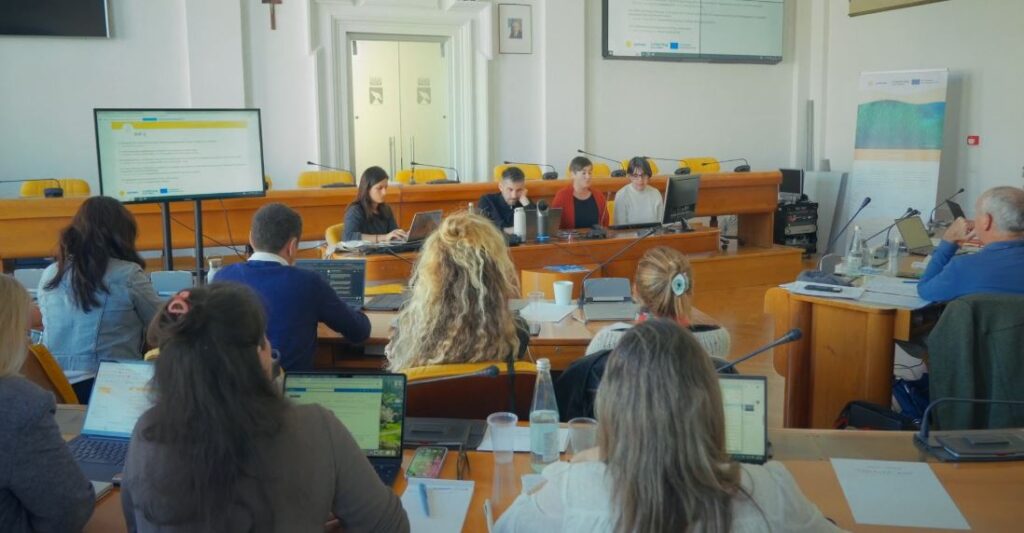
ARTEMIS meeting in Monfalcone
To explore this experience in depth, we spoke with Beatrice Salzani, an official at the Monfalcone Local Development Office — the institutional partner representing the municipality within ARTEMIS.
How did the Municipality of Monfalcone operate within the ARTEMIS project?
The Municipality of Monfalcone, as a partner in the ARTEMIS project, contributed to the development of activities at the pilot site in Panzano Bay, ensuring coordination between scientific and management aspects and the involvement of local stakeholders. Activities, supported by SELC and eFrame, focused on establishing an up-to-date knowledge base of seagrass meadows and associated ecosystem services, with particular reference to Cymodocea nodosa, the dominant species along the northern Adriatic coast. The project enabled the consolidation of data from previous monitoring and mapping activities, contributing to the establishment of an ecological reference framework.
At the same time, the Municipality engaged in dialogue with its Mediterranean partners, facilitating the adaptation of approaches and methodologies to local conditions. Within the context of the ARTEMIS project, the Municipality of Monfalcone, as a ‘pilot site’ manager, therefore played a central role in local coordination, acting as an operational, administrative and relational hub.
The authority directly oversaw the organisation of strategic events, both technical and public awareness-raising in nature, ensuring the smooth running of the project’s planned activities and guaranteeing compliance with administrative procedures, including those relating to contracts and services.
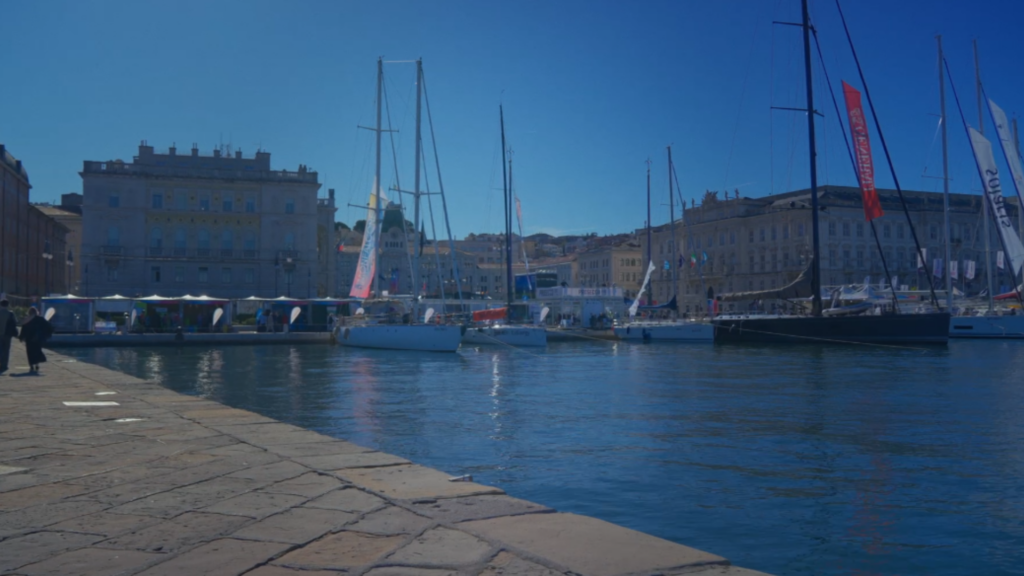
A particularly significant moment was the participation in the Barcolana regattain the port of Trieste, which provided a platform for international visibility for ARTEMIS’s activities and enabled the effective integration of communication and public awareness-raising.
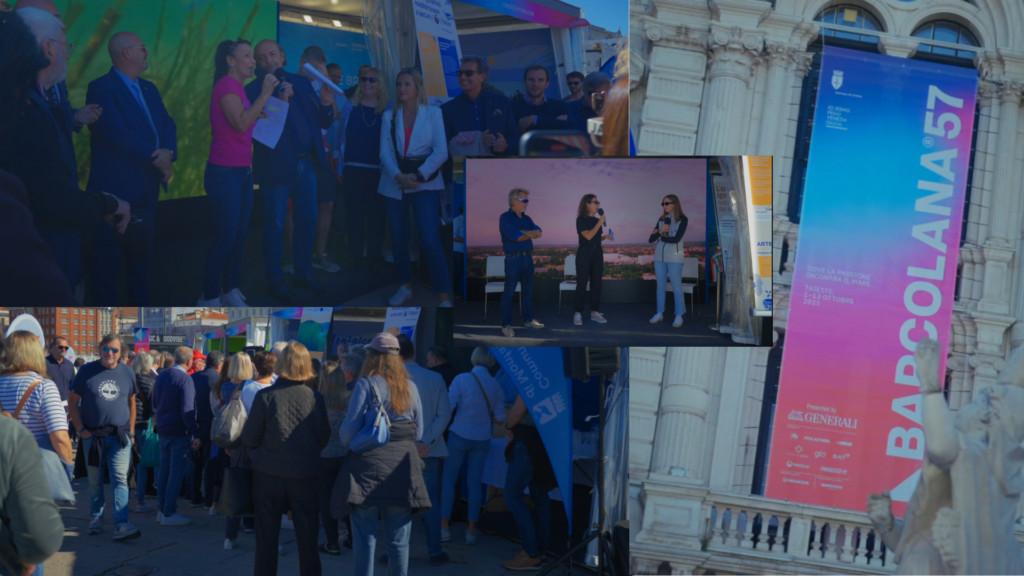
ARTEMIS at the Barcolana regatta in October 2025
In terms of engaging local stakeholders, the municipality has adopted an inclusive, multi-level approach, fostering dialogue between scientific institutions, the nautical sector, public administrations and civil society. Initiatives such as the event dedicated to the Panzano buoy field have provided concrete opportunities for the exchange of best practices and co-design, helping to strengthen public-private partnership models geared towards sustainability.
The ARTEMIS project forms part of a process already initiated by the Municipality. What were the main previous initiatives?
ARTEMIS forms part of a process already initiated by the Municipality of Monfalcone through European projects dedicated to the conservation of seagrasses and – more generally – to the environmental quality of Panzano Bay and the sustainability of its use at all levels. Within this framework, the Municipality has progressively placed the sustainable development of the maritime economy at the heart of its strategic action, recognising marine natural capital as a fundamental element for the well-being of the region, for economic competitiveness and for the quality of life of local communities.
In recent years, this commitment has taken the form of a series of initiatives aimed at the protection, management and, in specific cases, the restoration of coastal ecosystems. A significant first step was the INTERREG SASPAS Italy–Croatia project (completed in 2022), in which the Municipality of Monfalcone played a leading role.
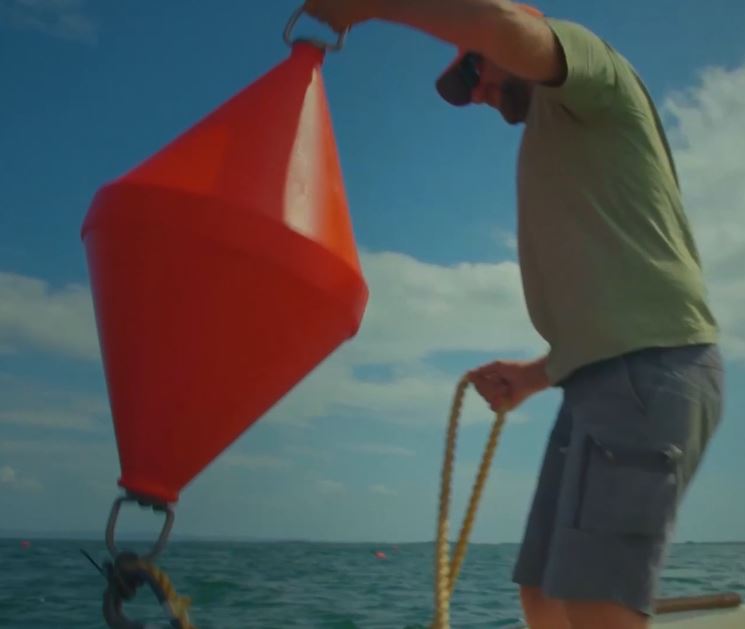
Along the coast of the Gulf of Panzano, pilot schemes were carried out to transplant seagrasses, in particular the species Cymodocea nodosa, into experimental areas. These interventions provided a concrete example of the application of ecological restoration techniques, albeit in a context characterised by seagrass beds that were already extensive and structurally functional. As part of the same project, an ecological buoy field was also established, accompanied by a management and monitoring system, with the aim of reducing the impact of anchoring on the seabed and, at the same time, promoting greater awareness among users and operators regarding the fragility of marine ecosystems. This approach has been further developed in the ongoing INTERREG Italy–Croatia BIOPRESSADRIA project, which has introduced an integrated approach to coastal management based on zoning and maritime spatial planning.
Among the measures adopted, the positioning and management of buoy fields in areas of high environmental value represent a concrete step towards reducing pressure on the environment and conserving sensitive habitats. A key feature of the project is also the strong involvement of stakeholders, through structured information and training programmes aimed at economic operators, administrators and decision-makers.
The Interreg Euro-MED ARTEMIS project builds on this foundation, representing an evolution in both geographical and methodological terms. ARTEMIS integrates previous experiences with an approach that combines pilot actions, the assessment and valuation of ecosystem services, and the development of innovative tools, such as Payments for Ecosystem Services (PES), with the aim of more effectively guiding public policies and the choices of private actors towards models of sustainable management of marine natural capital.
How important is Cymodocea nodosa, and the sea more generally, to the Municipality of Monfalcone? Could you describe their impact on the economy and culture?
In Panzano Bay, the Cymodocea nodosa seagrass beds are a key ecological feature, comprising extensive and structurally stable areas associated with morphological conditions that are still relatively natural and a high level of biodiversity, particularly given the coastal environment characterised by medium-fine sediments and turbidity.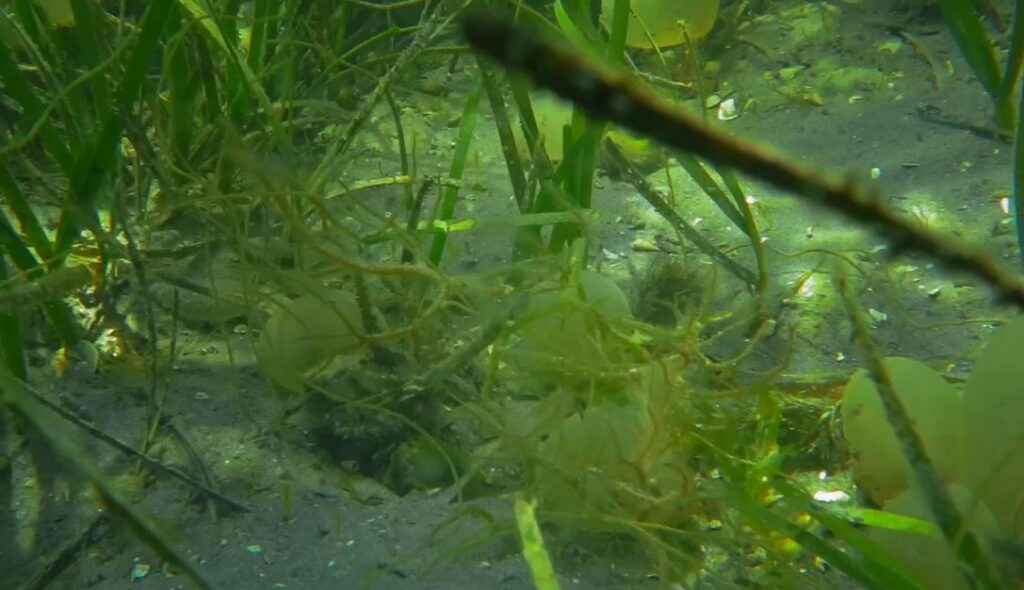
These seagrass beds provide essential ecosystem services, including sediment stabilisation, improved water quality, acting as a nursery for numerous species, and contributing to carbon sequestration.
Furthermore, the function of sediment protection and coastal erosion mitigation helps to reduce costs associated with the maintenance of coastal infrastructure and risk management, representing an economic benefit that is often not immediately visible but significant in the long term. From this perspective, the conservation of Cymodocea nodosa is a key factor in supporting the resilience and competitiveness of the local economy.
The sea is also a defining feature of the Monfalcone community, deeply intertwined with the area’s history, social practices, traditions, port activities and recreational boating, as well as its recreational, sporting and cultural functions. Over time, activities linked to shipping, shipbuilding and the enjoyment of the sea have helped to shape the cultural landscape and the collective perception of the place. Furthermore, the growing focus on sustainability and the protection of natural capital offers opportunities to develop educational initiatives, awareness-raising programmes and forms of experiential tourism, in which knowledge of marine ecosystems becomes part of the area’s cultural offering.
From an economic perspective, the sea supports traditional activities such as fishing and, increasingly, new forms of economy linked to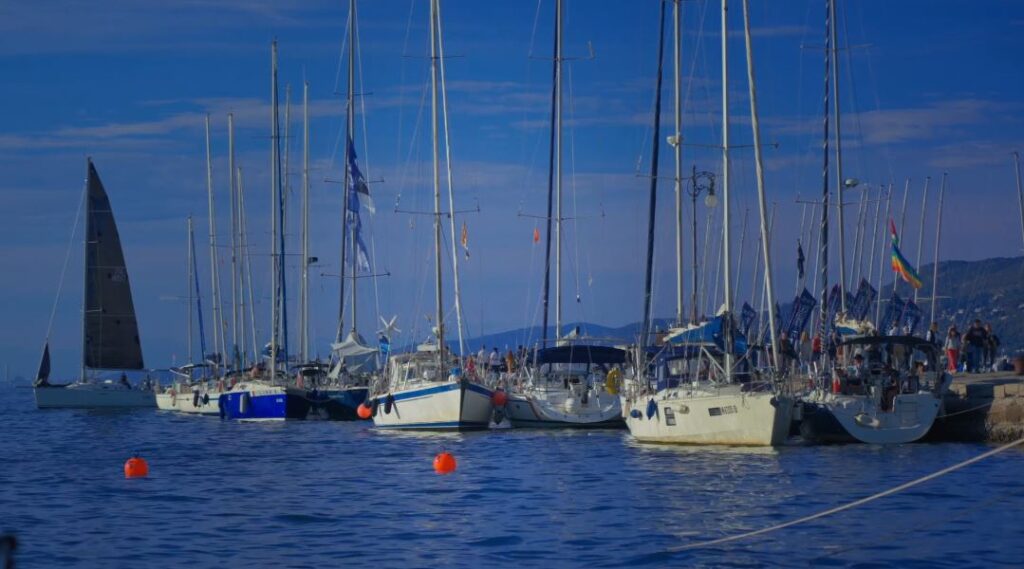 ecosystem services and sustainable tourism. In the tourism sector, events of international significance and the environmental quality of the waters are key attractions, contributing to the region’s competitiveness. Culturally, the connection with the sea is deeply rooted in the local community, influencing social practices, traditions and development models. In this context, the protection of seagrass beds also takes on a symbolic value, representing a link between environmental conservation and local identity.
In this context, Monfalcone serves as a pilot site for developing and testing innovative approaches to the integrated management of the marine environment, with the aim of combining sustainability, economic development and the enhancement of natural capital within a long-term framework.
How would you describe ARTEMIS’s contribution to the knowledge and practices of the Municipality of Monfalcone?
ARTEMIS’s contribution to Monfalcone concerns the strengthening of the knowledge base and the integration of science and management.
- From a scientific perspective, the project has updated information on the distribution, composition and ecological status of seagrass beds, with particular reference to Cymodocea nodosa, contributing to the definition of a framework for the monitoring and assessment of ecosystem services.
- From a management perspective, ARTEMIS has reinforced an approach based on preventive conservation and the reduction of pressures, rather than on extensive restoration measures. The Monfalcone site therefore represents a case where maintaining good ecological status constitutes the most effective strategy.
- From a strategic perspective, ARTEMIS has introduced innovative approaches, particularly with regard to the economic valuation of ecosystem services and the integration of biophysical data with economic analysis. This has enabled the municipality to develop a more comprehensive and sustainability-focused vision, supporting the formulation of public policies based on scientific evidence.
- Finally, from a knowledge perspective, the project has enabled a deeper understanding of the ecological status of Cymodocea nodosa and contributed to the development of operational tools such as databases, restoration roadmaps and replicable governance models.
Overall, ARTEMIS has facilitated a transition towards more integrated and long-term administrative practices, as well as comparisons with other Mediterranean contexts, helping to develop more adaptive management approaches.